
The Six Sales Mindsets: From Abundance to Scarcity
 Recently, while developing a 360-Degree Evaluation for a new client, I was putting together an extensive survey to better understand the company’s culture, leadership, communication, and collaboration between departments. One of the questions I included focused on mindset.
While mindset is important for salespeople, it’s equally important for everyone in an organization. The way people view opportunities, their colleagues, and their own contributions can influence how they work together, approach challenges, and ultimately impact sales success. In homebuilding, where marketing, online sales, onsite sales, and leadership all play a role in the buyer experience, these perspectives can have a significant impact on collaboration and sales performance.
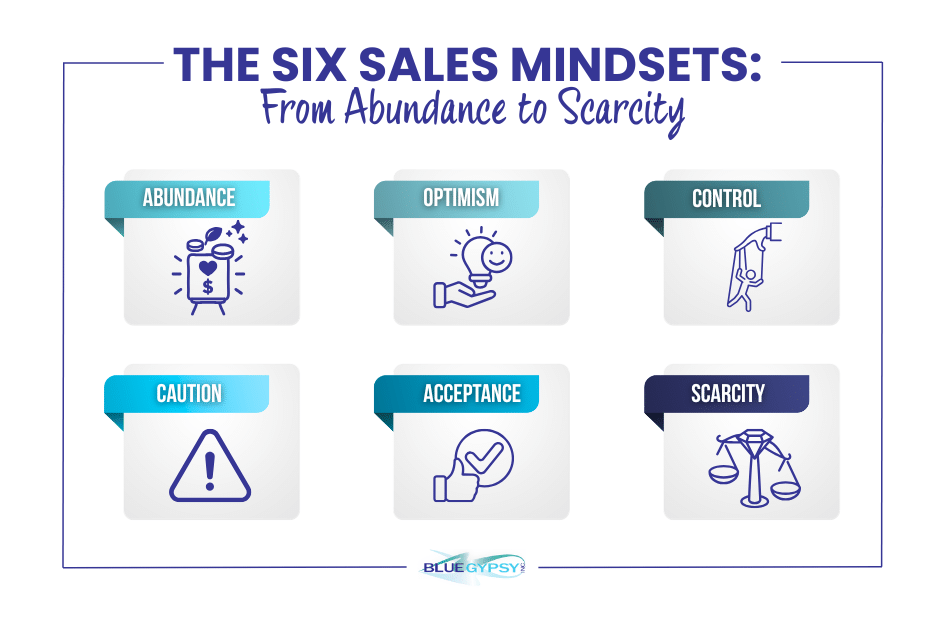
As I developed the survey, I identified six sales mindsets, ranging from abundance to scarcity. While people don’t necessarily fit neatly into one category, understanding these different perspectives can help us recognize how our beliefs about opportunity influence our behaviors and results.
1. Abundance: There’s Enough Opportunity for Everyone
I believe there are enough opportunities for everyone to succeed.
Salespeople with an abundance mindset recognize that someone else’s success doesn’t diminish their own opportunities. They’re willing to share ideas, celebrate colleagues’ accomplishments, and collaborate across departments. In homebuilding, this means recognizing the value that onsite sales, online sales, and other team members bring to the process, understanding that individual success and team success go hand in hand.
2. Optimism: Opportunity Exists, but Success Takes Effort
I believe there are plenty of opportunities, but success takes effort.
Optimistic salespeople recognize that success requires consistent effort, adaptability, and follow-through. They’re willing to nurture relationships, improve their skills, and adjust their approach when something isn’t working. Even when market conditions become challenging, they focus on understanding buyers’ needs, overcoming obstacles, and finding ways to move opportunities forward rather than allowing external circumstances to determine their success.
3. Control: Success Depends on My Personal Involvement
I believe my personal involvement is what makes opportunities successful.
Salespeople with a control mindset take pride in managing relationships and influencing outcomes, which can be a strength. However, when they believe they’re the only ones capable of successfully managing a buyer relationship, they may resist sharing leads, involving an Online Sales Counselor, or collaborating with colleagues. They may view others’ involvement as interference rather than recognizing how teamwork can contribute to their success.
The challenge is helping these individuals recognize that other people can contribute to a successful outcome without diminishing their own value or their relationship with the buyer.
4. Caution: Opportunities Exist, but They’re Limited
I believe opportunities exist, but they can be limited.
Cautious salespeople recognize that opportunities are available but worry whether there will be enough for them to succeed, especially when lead volume declines, traffic slows, or competition increases. They may become protective of their prospects, question lead distribution, or hesitate to share opportunities with colleagues out of concern that helping someone else could cost them a sale.
Leadership plays an important role in addressing these concerns. Transparency around lead distribution, consistent expectations, and fair processes can help reduce uncertainty and build trust among team members.
5. Acceptance: Outside Circumstances Determine My Success
I believe outside circumstances influence my success more than my own efforts.
We’ve all heard the explanations about why sales aren’t happening. Interest rates are too high, buyers aren’t serious, marketing isn’t generating good leads, the competition has better pricing, or the market is slow. While sometimes these concerns are legitimate, when salespeople begin to believe that external circumstances have more influence over their success than their own actions, they may stop looking for opportunities to improve their results.
Instead of evaluating their approach, improving their skills, or exploring different strategies, they may become resigned to the situation. Recognizing market challenges is important, but so is understanding what we can influence through our own actions, communication, and commitment to helping buyers.
6. Scarcity: There Isn’t Enough Opportunity for Everyone
I believe there aren’t enough opportunities for everyone to succeed.
A scarcity mindset can have a significant impact on sales culture because people begin to view opportunities as something they need to protect rather than something the organization can create and develop together. Collaboration can feel like competition, and another salesperson’s success may be perceived as a personal loss.
In homebuilding, this can lead to friction between onsite sales teams, Online Sales Counselors, marketing departments, and even leadership. Salespeople may become territorial about leads, reluctant to share information, or resistant to processes designed to improve collaboration. These behaviors can also negatively affect the buyer experience through inconsistent communication, poor handoffs, and disconnected processes, ultimately costing the organization opportunities for sales.
How Company Culture Influences Sales Mindsets
While it’s easy to tell salespeople they should have an abundance mindset, we also need to consider the environment we’re creating for them. If compensation structures encourage internal competition, leadership tolerates territorial behavior, or lead distribution lacks transparency, we’re contributing to the very mindsets we want to change.
I’ve seen this firsthand in the relationships between online and onsite sales teams. When onsite salespeople view Online Sales Counselors as partners who help create and nurture opportunities, collaboration improves. But when they view OSCs as interfering with their leads, taking credit for sales, or creating additional work, relationships can become strained. The same is true across other departments, especially when we’re asking people to collaborate while rewarding individual competition.
As leaders, managers, trainers, and coaches, we need to look beyond individual attitudes and consider how our expectations, communication, compensation structures, and company culture influence the way people think about opportunity.
What Mindset Is Your Sales Culture Encouraging?
I believe the strongest sales organizations create environments where individual accountability and collective success can coexist. Healthy competition has its place, but collaboration, communication, and shared responsibility can create better outcomes for both the sales team and the buyer.
Understanding these six mindsets helps us look beyond individual behaviors and consider what people believe about opportunity, why they believe it, and how our company culture may be reinforcing those beliefs.
So, which of these six mindsets do you see most often in your sales organization? And perhaps more importantly, what are you doing as a leader to encourage the mindset you want your team to have?
If you’re interested in taking a closer look at how your company culture, communication, and collaboration are influencing your sales success, let’s talk about a 360-Degree Evaluation!